





7 Common Symptoms of a Failing CAT 319-0677 Fuel Injection Pump

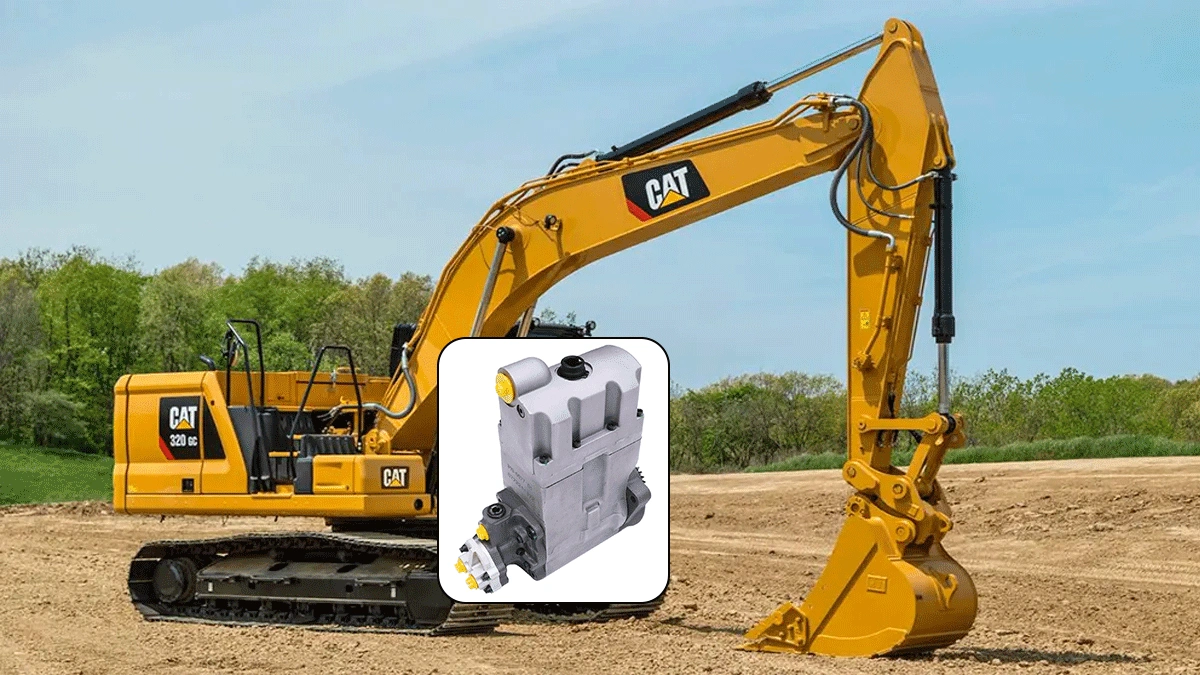
Table of Contents
- 1. 319-0677 Pump at a Glance
- 2. 7 Symptoms of a Failing 319-0677 Pump
- 01. Sudden Loss of Engine Power Under Load
- 02. Hard Starting or Failure to Start
- 03. Rough, Unstable Idling and Stalling
- 04. Rising Engine Oil Consumption
- 05. Excessive Black or White Exhaust Smoke
- 06. Oil Leaks Around the Pump Body
- 07. Fault Codes & Check Engine Warnings
- 3. What to Do If You Suspect Pump Failure
- 4. Premium Aftermarket Solutions by LIUCHUANG
The Caterpillar 319-0677 hydraulic unit injector pump is the high-pressure heart of CAT C7 and C9-powered machines—including heavy-duty excavators, wheel loaders, asphalt pavers, and track loaders. When this critical fuel system component begins to fail, your equipment loses performance rapidly, and operational downtime costs escalate. Recognizing the early warning signs of a failing injection pump is essential to prevent catastrophic engine damage.
CAT 319-0677 Pump Specifications at a Glance
| Part Number | 319-0677 / 3190677 |
|---|---|
| Component Type | Hydraulic Electronic Unit Injector (HEUI) Pump |
| Compatible Engines | Caterpillar C7, C9 (ACERT Technology) |
| Key Equipment Applications | 324D, 325D, 329D, 330D, 336D, 340D Excavators; 950H, 962H Wheel Loaders; AP-1055D Asphalt Paver; 973C Track Loader |
| Interchange / Cross Ref | 10R-8899, 20R-3426, 319-0674, 254-4357, CA3190677 |
| Net Weight | Approx. 11.4 kg (25 lbs) |
7 Common Symptoms of a Failing 319-0677 Fuel Injection Pump
01. Sudden Loss of Engine Power or Sluggish Response Under Load
One of the earliest indicators of injection pump failure is a noticeable drop in power—especially during heavy digging cycles or high-load operations. If your CAT 330D excavator struggles to sustain hydraulic speed, or your 950H wheel loader experiences a structural power drop during a bucket push, the 319-0677 pump is typically the primary suspect.
The core role of this pump is to generate the high oil pressure needed to actuate the HEUI injectors. Internal mechanical wear on the pump's drive gear or pressure relief valve diminishes this injection actuating pressure, leading to insufficient fuel atomization.
Diagnostic Tip: Perform a high-pressure oil system pressure test using electronic service tools. If the actual actuating pressure drops below the standard C7/C9 service specifications (typically below 3,000 psi under full load), the 319-0677 pump is underperforming.
02. Hard Starting or Complete Failure to Start
The Caterpillar HEUI system relies heavily on the 319-0677 pump to build sufficient actuation oil pressure rapidly during engine cranking. If the internal seals or pistons within the pump are worn, it cannot prime the high-pressure rail fast enough, resulting in extended cranking times or a complete no-start condition.
This symptom becomes highly pronounced during cold-weather starts, as increased engine oil viscosity demands higher volumetric efficiency from the pump. When glow plugs and low-pressure fuel supply are verified functional, the actuation pump must be analyzed next.
Diagnostic Tip: Ensure that the engine oil level is correct and the oil filter is not restricted. If the oil system integrity is confirmed, monitor the Injection Control Pressure (ICP) during cranking to ensure it meets the minimum threshold required for injector firing.
03. Rough, Unstable Idling — Sputtering, Surging, or Stalling
An optimized CAT C7 or C9 engine operates with a consistent, smooth idle. When the internal hydraulic components of the 319-0677 pump degrade, the pressure output fluctuates erratically. This unstable pressure output leads to inconsistent injector timing and inaccurate fuel delivery across individual cylinders.
Operators will notice erratic RPM surges, excessive cab vibration, or unexplained engine stalling when dropping to low idle. Watching the tachometer for irregular fluctuations during a 10-minute warm engine idle is an effective field assessment method.
Diagnostic Tip: Unstable idling can also stem from a malfunctioning Injection Control Pressure Regulator (ICPR / IEPR) valve. Always isolate the pump performance from control valve errors before component replacement.
04. Rising Engine Oil Consumption Without Visible External Leaks
Because the 319-0677 pump uses pressurized engine oil to actuate the fuel injectors, its internal sealing barriers are critical. When internal high-pressure shaft seals degrade, oil can bypass internally into the low-pressure fuel areas, leading to excessive engine oil consumption without showing typical pooling under the machine framework.
If your maintenance logs show your 329D or 336D excavator requires frequent engine oil top-offs but standard visual inspections show dry gaskets and zero external weeping, the actuation pump's internal seals require engineering inspection.
Diagnostic Tip: Document oil levels closely at 50-hour operational increments. A steady increase in oil consumption without external indicators suggests an internal seal breach within the fuel/hydraulic interface.
05. Excessive Black or White Exhaust Smoke
Abnormal exhaust discharge indicates combustion instability directly connected to an irregular fuel injection parameters:
- Black Smoke: Signifies incomplete diesel combustion. This occurs when erratic actuation pressure disrupts injector needle seating, leading to an over-rich fuel mixture or incorrect timing.
- White Smoke: Indicates raw, unburned fuel entering the exhaust stream. This is typically caused by inadequate actuation pressure from the 319-0677 pump, failing to completely actuate the HEUI injector intensive atomization cycle.
Diagnostic Tip: Differentiate between combustion issues and oil burning. Blue exhaust smoke indicates oil in the combustion chamber, whereas intermittent black or white smoke is highly correlated with injection pump delivery pressure fault curves.
06. Oil Leaks Around the Pump Body or Mounting Area
Operating under extreme hydraulic pressure thresholds, the structural housing of the 319-0677 pump must remain perfectly sealed. Over long duty cycles, hardened O-rings, degraded mounting gaskets, or structural stress micro-cracks can cause high-pressure engine oil to weep externally from the pump mounting flange or housing joints.
Beyond the environmental contamination, any external leakage causes an immediate drop in volumetric efficiency, reducing actuation pressure and triggering performance losses. Furthermore, oil leaks near high-temperature exhaust manifolds present a critical fire hazard.
Diagnostic Tip: Clean the front-gear assembly and pump housing thoroughly with degreaser. Run the engine briefly and inspect the perimeter of the 319-0677 with an inspection lamp to trace the leak origin immediately.
07. Fault Codes & Check Engine Warnings (ICP-Related)
Modern Caterpillar Engine Control Modules (ECMs) monitor the high-pressure hydraulic circuit continuously. A failing 319-0677 pump that struggles to meet or maintain target injection control pressures will rapidly trigger active diagnostic trouble codes (DTCs).
Commonly registered faults include low injection control pressure deviations, ICP sensor rationality mismatched data, or high-pressure system response lag. To prevent severe engine component failure, the ECM will often place the heavy machinery into a protected "derate" mode, significantly lowering engine output power.
Diagnostic Tip: Connect Cat Electronic Technician (Cat ET) software to pull fault histories. Cross-examine logged codes to confirm the ICP sensor itself is reporting accurate voltage values before diagnosing a structural pump failure.
What to Do If You Suspect a Failing 319-0677 Pump
1. Run Diagnostic Baseline
Isolate secondary variables like clogged primary fuel lines, faulty pressure sensors, or leaking injector seals. Use live Cat ET monitoring to capture actual vs. desired ICP values.
2. Maintain Oil Cleanliness
The HEUI system requires highly clean oil to prevent hydraulic piston scoring. Always change engine oil and filters at factory recommended service intervals.
3. Replace with Precision OEM Spec
Low-quality component replacements threaten the structural health of your injectors. Choose a trusted aftermarket partner that manufactures to exact original specifications.
Restore Your CAT Engine Performance with LIUCHUANG
Do not let a failing hydraulic pump stall your site operations. LIUCHUANG's premium replacement 319-0677 hydraulic fuel injection pump is rigorously engineered to match original manufacturer tolerances and volumetric output—offering an elite-tier solution at a competitive price. Backed by expert support and prompt international shipping.