







Executive Summary: Caterpillar 3406E ECM Fault Codes
When diagnostic fault codes like 116-0, 91-8, 94-3, or 254-7 appear on a Caterpillar 3406E engine, they indicate critical electronic control system anomalies—ranging from timing synchronization drift and throttle signal loss to ECM configuration mismatches. Prompt diagnostic procedures via CAT Electronic Technician (ET) are essential to restore engine power and avoid unintended shutdown.
Table of Contents
- 1. Diagnostic Fault Codes Matrix
- 2. Code 116-0: Timing Calibration Required
- 3. Code 91-8 (Flash Code 32): Throttle Position Invalid
- 4. Code 94-3 (Flash Code 37): Fuel Pressure Voltage High
- 5. Code 254-7: ECM Fault / Configuration Mismatch
- 6. Troubleshooting Workflow with CAT Electronic Technician (ET)
- 7. CAT 3406E 212-9449 ECM Replacement & Flash Programming
1. Caterpillar 3406E ECM Diagnostic Fault Codes Matrix
Below is a quick reference table outlining the primary diagnostic trouble codes (DTCs), flash code equivalents, core descriptions, and root hardware or configuration causes.
| Diagnostic Code | Description | Primary Root Cause | System Impact |
|---|---|---|---|
| 116-0 | Timing Calibration Required | Missing synchronization data between camshaft & crankshaft sensors. | Reduced fuel efficiency, rough idling, timing drift. |
| 91-8 (Flash 32) | Throttle Position Invalid | PWM throttle signal mismatch or loose cab pedal harness pin. | Engine drops to low idle speed (Limp Mode). |
| 94-3 (Flash 37) | Fuel Pressure Voltage High | Open circuit, unplugged sensor, or unconfigured ECM feature. | Inaccurate fuel delivery calculations, warning lights. |
| 254-7 | ECM Fault / Config Mismatch | Personality parameters or injector trim codes not copied over. | Engine crank-no-start or severe derate. |
2. Diagnostic Code 116-0: Timing Calibration Required
Code 116-0 triggers when the Electronic Control Module (ECM) loses the timing calibration offset between the crankshaft position sensor and the camshaft speed/timing sensor. This typically occurs after replacing the ECM, servicing the engine timing gear train, or installing new primary speed/timing sensors.
Key Symptoms & Diagnostics:
- Engine cranks longer than usual before firing up.
- Subtle loss of peak horsepower under full load conditions.
- Requires a CAT Timing Calibration Probe (6V-2197 or 7X-1171) installed in the flywheel housing to re-calibrate via CAT ET.
3. Diagnostic Code 91-8 (Flash Code 32): Throttle Position Invalid
The Caterpillar 3406E ECM expects a Pulse Width Modulated (PWM) signal from the cab throttle pedal sensor (typically operating between 10% and 90% duty cycle at 500 Hz). Code 91-8 indicates that the ECM received a frequency or duty cycle signal that falls completely outside valid operating parameters.
Common Root Causes:
- Loose, corroded, or backed-out pins at the 40-pin OEM cab harness connector.
- Failed Throttle Position Sensor (TPS) inside the pedal assembly.
- Intermittent ground connection between the cab pass-through firewall connector and the ECM.
4. Diagnostic Code 94-3 (Flash Code 37): Fuel Pressure Voltage High
Code 94-3 means the signal voltage from the fuel pressure sensor back to the ECM exceeded 4.85 VDC (indicating an open circuit or short to +5V sensor supply).
Technical Note on Unconfigured Features
On many 3406E (9WR, 5EK, 6TS) applications, an optional fuel pressure sensor is not physically installed in the fuel filter base. If the ECM parameter for “Fuel Pressure Sensor” is accidentally turned ENABLED during software flashing, code 94-3 will immediately trigger due to the open circuit!
5. Diagnostic Code 254-7: ECM Fault / Configuration Mismatch
Code 254-7 represents a non-volatile memory or parameter mismatch error. It is frequently encountered when installing a replacement ECM without properly cloning or manually transferring the original engine’s configuration files.
- Injector Trim Codes (E-Trim): Each Caterpillar MEUI injector requires a specific 4-digit barcode/trim file. Missing trim files trigger parameter fault codes.
- Personality Module / Flash File: Running an incorrect customer parameter file or blank ECM board causes severe engine derate or complete crank-no-start conditions.
6. Troubleshooting Workflow with CAT Electronic Technician (ET)
Connecting Caterpillar ET software via the Comm Adapter III allows technicians to isolate electrical harness faults from internal ECM failures quickly. Below is an active diagnostic screen capture during a 3406E ECM bench testing procedure.
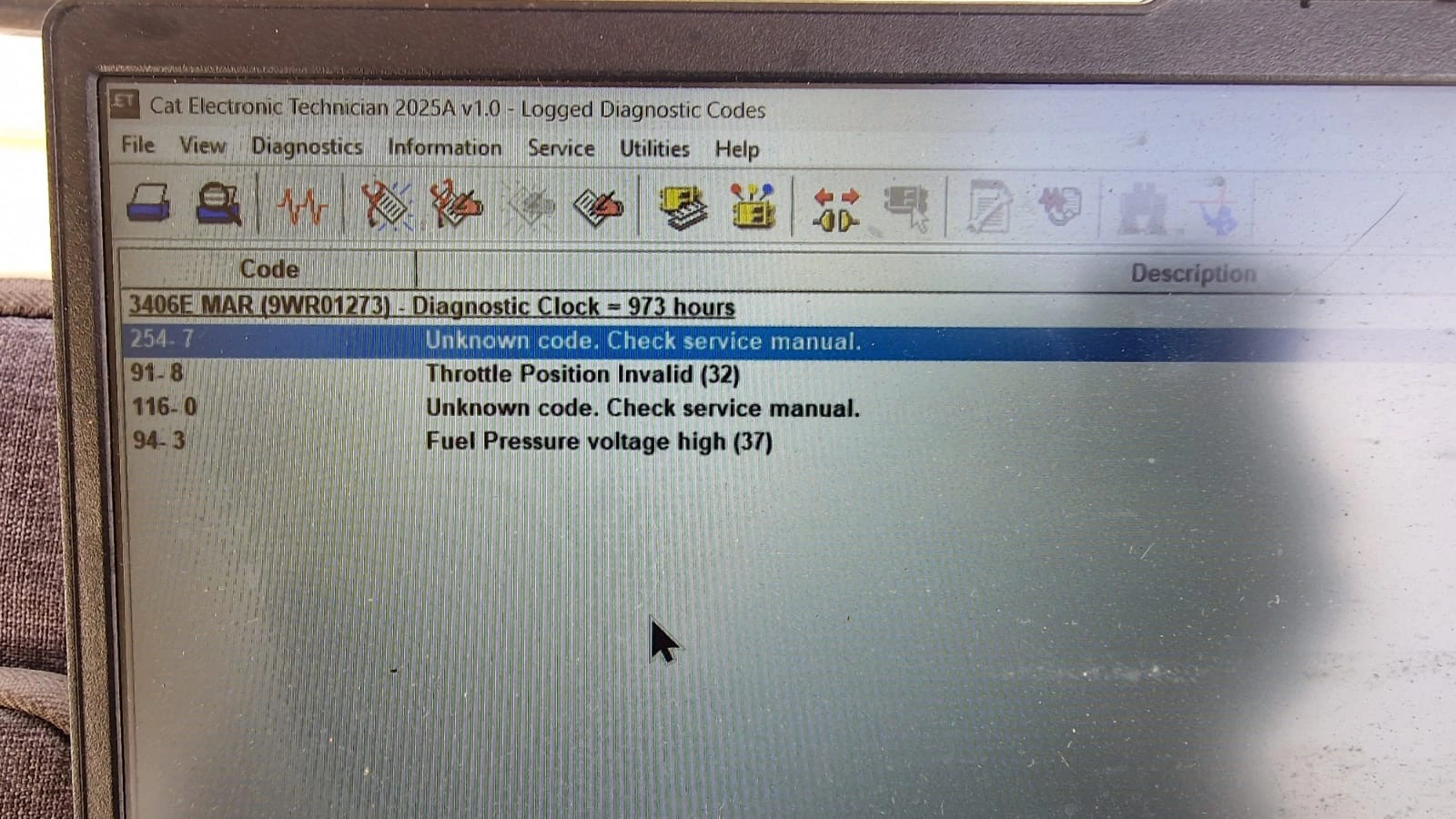
Figure 1: CAT ET software communicating with 3406E ECM (Serial: 9WR01273), reviewing active diagnostic codes and parameter configurations.
Step-by-Step Diagnostic Sequence:
- Connect Comm Adapter III: Plug into the 9-pin Deutsch diagnostic port in the vehicle cab or direct bench harness.
- Read Active & Logged Codes: Identify if codes 116-0 or 254-7 are active or logged in memory history.
- Verify 5V DC Sensor Supply: Measure pin A and B voltage at the harness sensor connectors using a Digital Multimeter.
- Copy Customer Parameters: Before replacing an old ECM, perform a
ECM Replacement -> Copy Configurationcommand in CAT ET to save rating numbers, axle ratios, and injector trim codes.
7. CAT 3406E 212-9449 ECM Replacement & Hardware Inspection
If troubleshooting confirms internal hardware damage (e.g., burned injector drivers or corrupted internal EEPROM triggering persistent 254-7 errors), installing a premium aftermarket or remanufactured CAT 212-9449 ECM is the ultimate solution.
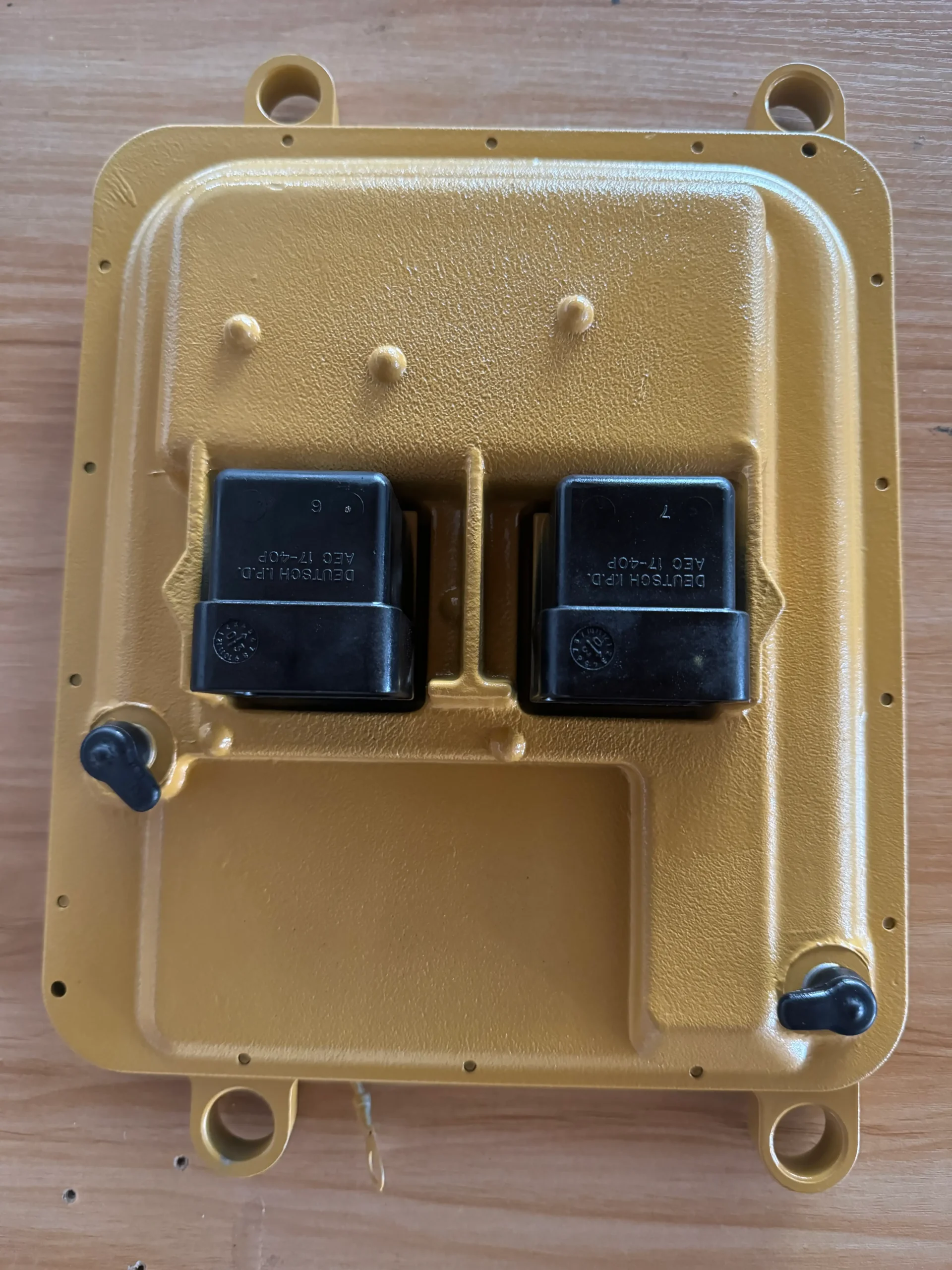
CAT 212-9449 ECM Front Housing (40-Pin Dual Connectors)
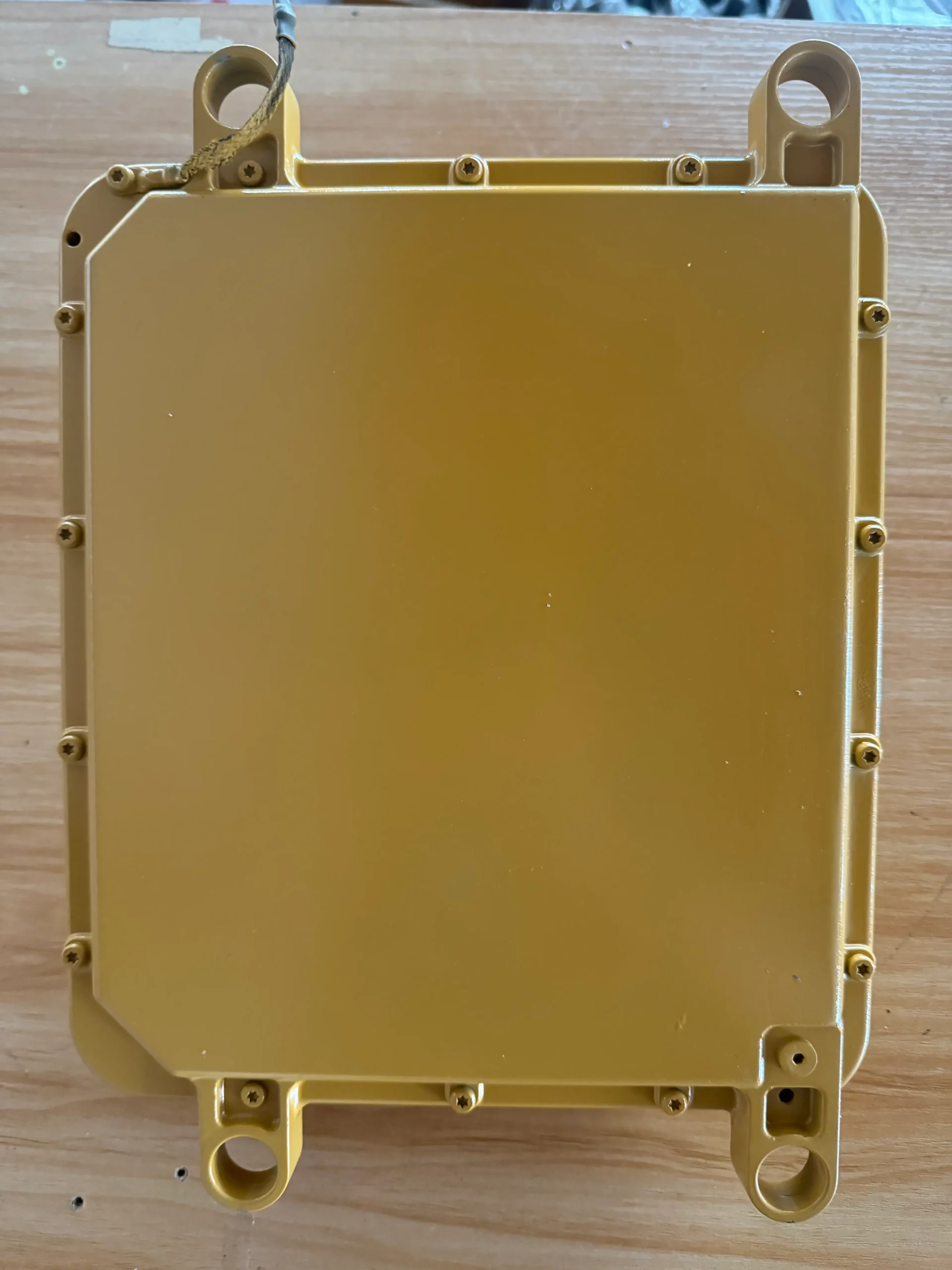
Heavy-Duty Cast Alloy Rear Heatsink Plate
Why Choose Replacement 212-9449 Engine Control Modules?
- Direct OEM Compatibility: Replaces part numbers 212-9449, 160-2658, 142-2212, and 10R-1033 for 3406E engines.
- Pre-Tested Hardware: 100% bench tested under severe vibration and thermal conditions to prevent intermittent code triggers.
- Plug-and-Play Ready: Flash-programmed to your specific Engine Serial Number (ESN) and personality parameters prior to dispatch.