








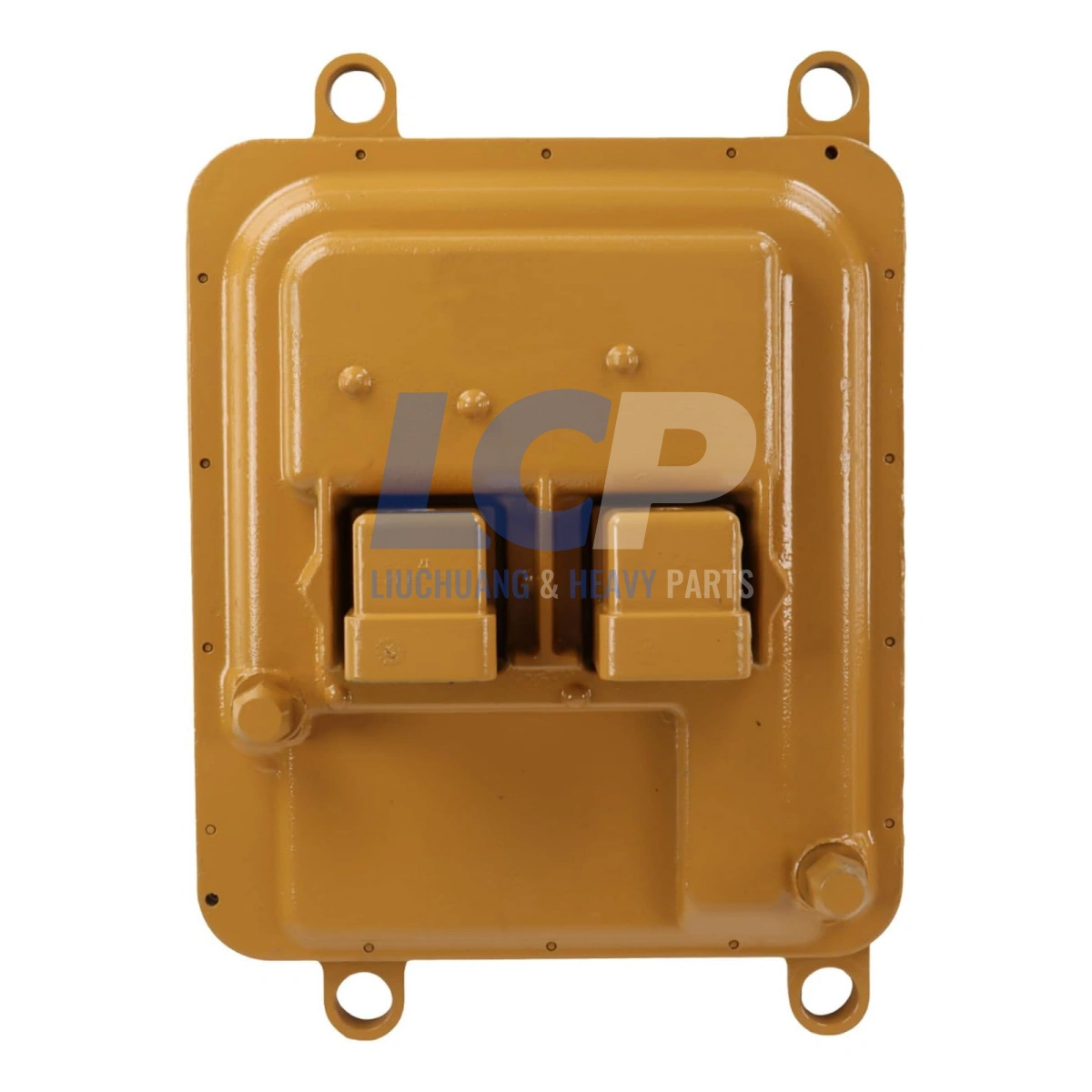
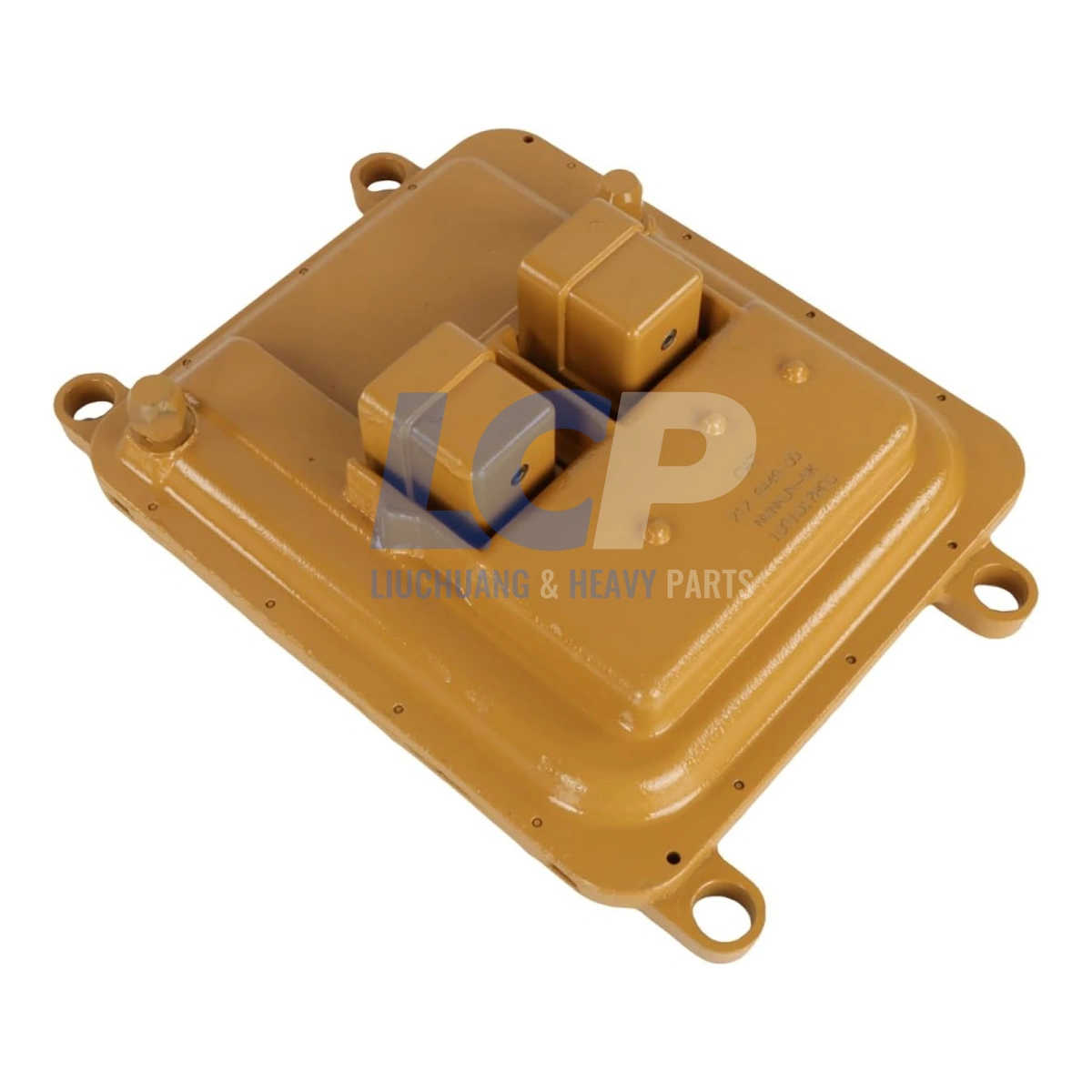
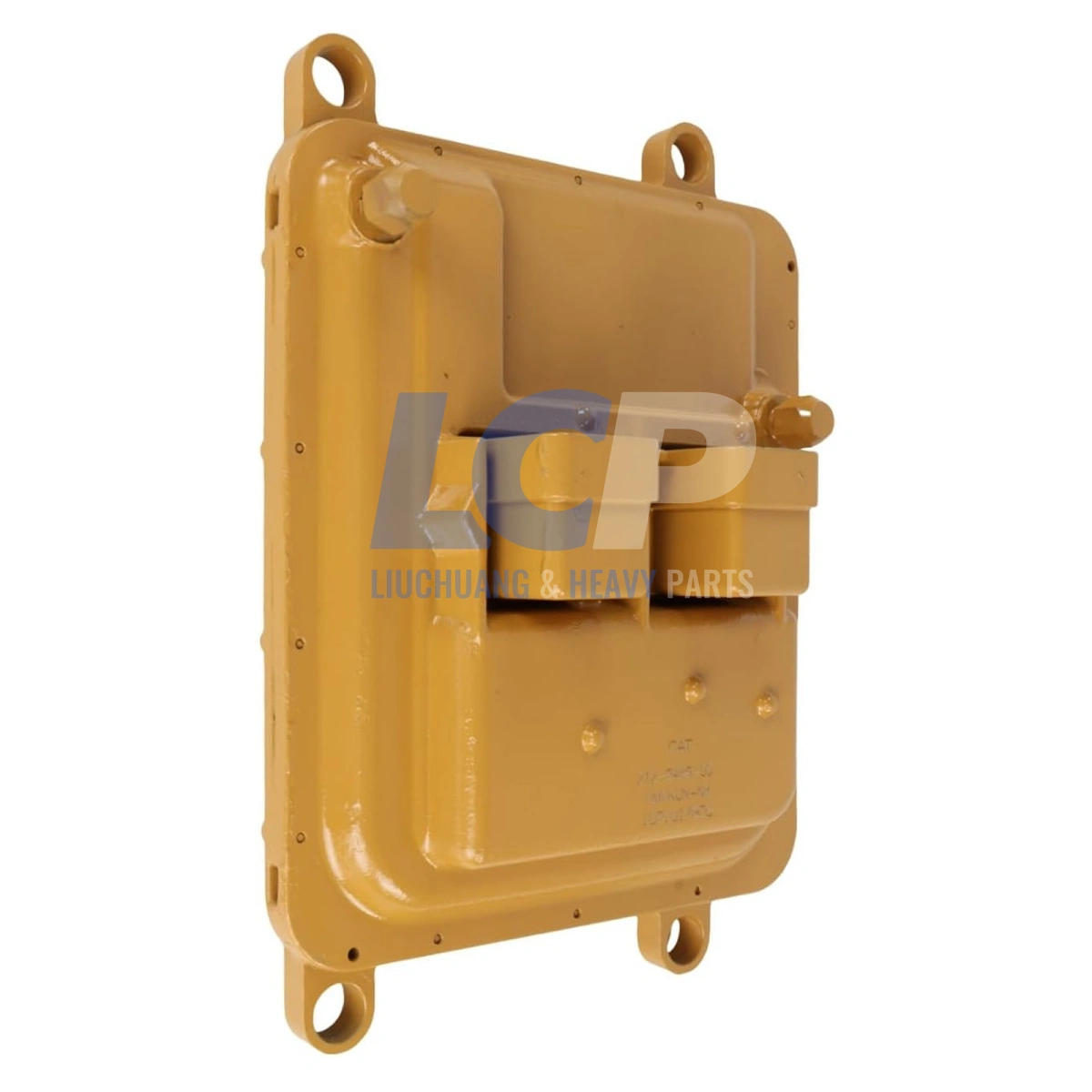
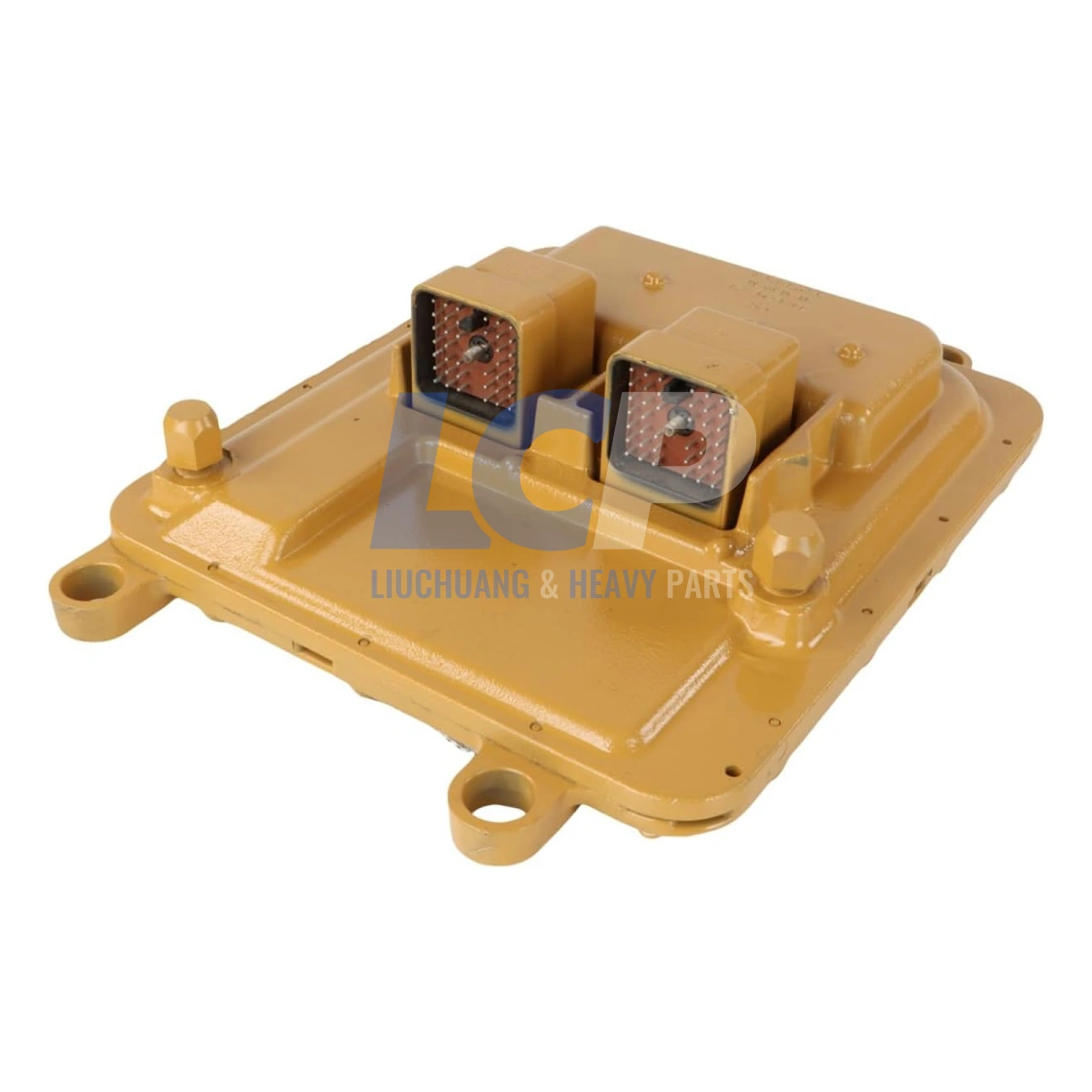
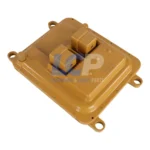
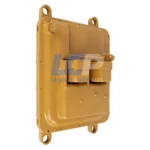
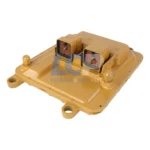
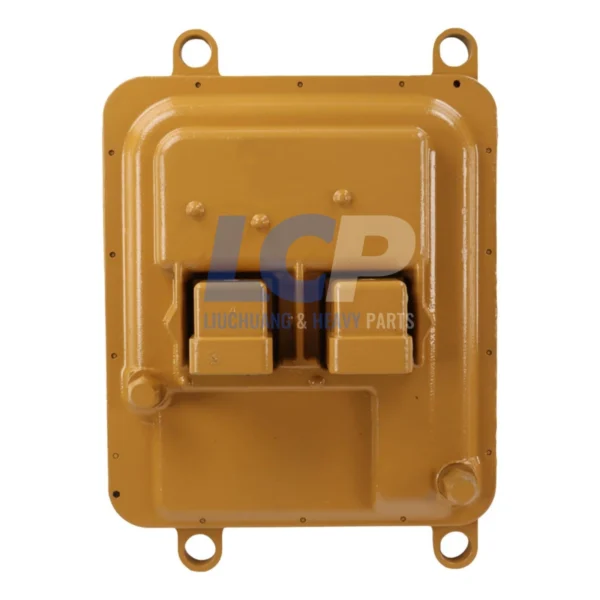
145-7806 1457806 Remanufactured Engine Control Module ECM for Caterpillar 385B 3176C
Remanufactured 145-7806 ECM for Caterpillar 385B, 345B II and 3176C engines.
- Interchangeability: Replaces 145-7806 / 1457806. Existing bracket and harness connectors, no rewiring.
- Application: Fits for Caterpillar 385B and 345B II excavators and 3176C industrial engine builds.
- Check Your Generation: A 345B and a 345B II are not the same here — read the machine plate and the ECM label.
- Programming Required: Ships unflashed — must be configured to your engine serial number by a workshop.
$1,699.00
-
 Bench-Tested - Every unit powered up and function-tested before dispatch.
-
 6-Month Warranty - From delivery, against defects in materials and workmanship.
-
 30-Day Returns - Unused items in original packaging. RMA required.


Product Details
▾
145-7806 (1457806) remanufactured engine control module — a direct-replacement ECM for Caterpillar 385B and 345B II excavators and 3176C industrial engine builds.
This is a legacy module, and cores in good condition are getting harder to find, so each one is treated as worth saving properly. The case is opened, the board is cleaned and inspected under magnification, and the components that have simply aged out after twenty-plus years in service — electrolytic capacitors, supply regulators and the fatigued solder under the harness headers — are replaced with new parts. Track and via continuity is verified across the board, moisture protection is re-applied, the housing is resealed with a fresh gasket, and the finished module is run on a bench harness and function-tested to factory-specified operating parameters before packing.
- Keeps an older machine earning: a rebuilt module for 385B and 345B II excavators, where a serviceable replacement is the difference between a working machine and a parked one.
- Direct replacement — existing mounting bracket, existing harness connectors, no modification on the machine side.
- Rebuilt to restore original operating parameters; the factory calibration, engine protection and emissions strategy are left untouched.
- Age-related components renewed rather than simply tested and passed through, which matters more on this generation of hardware than on anything recent.
- Board re-coated and housing resealed, appropriate for machines that have already spent two decades in dust, washdown and vibration.
- Cross-referenced as 145-7806 and 1457806. Supplied as a bare module requiring a flash — see the notice below.
Programming Required — Supplied Without Engine Software
The module ships with no application software or personality data for your engine, so it must be flashed and configured by a workshop with dealer-level service tooling before the machine will start. On a machine of this age, be aware that older service tool hardware or an older communication adapter may be needed — worth confirming with your workshop before you order. Please send us:
- Engine Serial Number (ESN) and Vehicle Identification Number (VIN)
- Clear photographs of the ECM currently on the engine, with every number on the label legible
- A photograph of the engine data plate showing the arrangement number
- The machine model exactly as it appears on the plate — specifically whether it is a 345B, a 345B II or a 385B, since the generation matters here
Removal and refitting should be done by an experienced technician. Isolate the batteries at the master disconnect before unplugging anything, and keep the connectors capped while the module is off the machine. On a machine this old the harness insulation has hardened, so handle the loom gently during the swap and support its weight rather than letting it hang from the ECM headers — cracked insulation and broken terminals are the most common collateral damage on a legacy module change.
Fitment & OEM Interchange
▾
Caterpillar and CAT machine model designations appear below only to identify the equipment this aftermarket module is built to fit. The OEM interchange numbers listed are cross-reference data for identification purposes and do not imply that this part is made, supplied or endorsed by the trademark holder.
Part Number Cross-Reference
| Reference Number | Format / Role | Notes |
|---|---|---|
| 145-7806 | Primary reference, hyphenated | The format printed in machine service literature. |
| 1457806 | Same reference, no hyphen | How the number is normally entered into parts and stores systems. |
| 145 7806 | Space-separated variant | Turns up on older job cards and dealer quotations. |
Related Reference Numbers — Same Replacement Family
B-series machines went through running changes during production, and the 3176C engine sits one generation before the C-series hardware. The notes below are here to stop you ordering across a generation boundary by mistake.
| Reference Number | Typical Coverage Difference |
|---|---|
| Other references fitted to 345B / 385B builds | Production changes during the B-series run mean more than one module reference exists for these machines. The label on the unit you are removing is what decides, not the model badge. |
| 262-2879 / 2622879 and 10R-5648 / 10R5648 | Cover the later C-series and D-series machines that replaced the B-series. They are a different generation of hardware and are not substitutes for a 3176C-powered 345B or 385B. |
Application Chart — Fits For Caterpillar
| Machine / Engine Category | Models |
|---|---|
| Excavator | 385B, 345B II |
| Industrial Engine | 3176C |
Before You Order
Two things to check before ordering. First, the generation: a 345B and a 345B II are not the same machine for this purpose, so read the designation exactly as it appears on the machine plate. Second, the module label itself — B-series machines were built over a long run and more than one reference was fitted. Photograph the label on the ECM you are removing along with the engine data plate and send both to us; we will confirm the match, and we will tell you plainly if a different number is the correct one for your machine.
Technical Specifications
▾
| Specification | Detail |
|---|---|
| Part Name | Electronic Engine Control Unit — ECM / ECU Module |
| Reference Numbers | 145-7806, 1457806 |
| Condition | Remanufactured — rebuilt from a tested core |
| Installation Method | Direct replacement — mounts to the existing bracket and mates with the existing machine harness |
| Programming | Required — flashing with engine-specific software using dealer-level service tooling; older tooling or an older communication adapter may be needed on this generation |
| System Voltage | 24V nominal on the machines listed — application dependent, confirm on the data plate |
| Housing Material | Sealed die-cast aluminium case with integral heat-sink face |
| Connectors | Sealed multi-pin machine harness connectors — pin count is application dependent, match against the module being replaced |
| Circuit Protection | Reverse-polarity and transient suppression to factory-specified design; no protection features removed or bypassed |
| Testing | Powered up and function-tested on a bench harness before dispatch |
| Warranty | 6 months from delivery, against defects in materials and workmanship |
| Package Contents | 1 × engine control module. Brackets, harness, gaskets and software licences are not included. |
This module is supplied to restore factory-specified performance and original operating parameters only. Emissions-related calibration and engine protection strategies are left exactly as the factory defined them; we do not supply, alter or support any change to emissions control functions.
Common Failure Symptoms
▾
On a machine of this age the difficulty is separating a truly failed control module from twenty years of accumulated wiring problems. The table below covers the symptoms that most often turn out to be the module itself on 385B and 345B II machines and 3176C engine builds.
| Symptom | What It Usually Points To |
|---|---|
| Engine cranks at normal speed but never fires, with no injector activity heard at the valve cover | The injector driver stage or the internal supply feeding it has failed. |
| Machine starts cold, runs for half an hour, shuts down, then restarts once it has cooled | A heat-sensitive internal fault — typically a degraded capacitor or a fatigued solder joint opening as the case warms. |
| Engine speed reading sits at zero or jumps around while the engine itself runs steadily | A failing speed input circuit inside the module rather than a sensor or wiring fault. |
| Hydraulic response is flat and the machine feels underpowered, with pump tests within spec | The pump control is not receiving valid engine speed and load data from the ECM. |
| The service tool will not establish communication with the engine controller at all | A dead data link transceiver inside the module, or a lost power or ground feed at its connector — check the adapter and tool version too on this generation. |
| A group of unrelated sensor circuits report faults at the same moment | Collapse of the regulated sensor supply that the module generates internally. |
| Intermittent shutdowns while tracking or slewing, with nothing found mechanically | Cracked joints around the connector headers, aggravated by chassis vibration on an ageing board. |
| ECM memory or parameter faults that come straight back after being cleared | Corrupted internal memory holding the engine configuration. |
Rule Out The Cheap Causes First
On a twenty-year-old machine the harness fails far more often than the module does. Before ordering, load-test the batteries, clean and torque every ground strap from the engine to the frame, check the fuses and relays feeding the ECM, and open both connectors to look for green corrosion, spread pins and back-out terminals. Walk the loom looking for hardened, cracked insulation where it passes through clamps and bulkheads. These checks cost nothing and they account for a large share of the modules that get replaced unnecessarily.
Shipping & Quality Guarantee
▾
- Dispatch: orders are dispatched in 1–3 business days after the fitment details are confirmed.
- Free express delivery: DHL / FedEx / UPS, 3–8 business days door to door.
- Tracking: a tracking number is issued within 24–48 hours of dispatch.
- Bench-tested: every unit is powered up and function-tested before it leaves the workshop.
- 6-month warranty from delivery, against defects in materials and workmanship.
- 30-day returns on unused items in their original packaging; an RMA number is required before shipping anything back.
- Protective packaging: anti-static bag, foam-lined carton, connector caps fitted to keep the pins clean in transit.
- Technical support: send us your data plate photos and we will confirm the reference number before and after the sale.
Shipping & Customs Notice
The amount charged covers the product and shipping only. Import duties, VAT, GST, customs clearance charges and any other local taxes are not included and remain the responsibility of the buyer. Please check your own country’s import rules before ordering.
Caterpillar®, CAT® and all machine and engine model designations are the registered trademarks of their respective owners. We are an independent supplier of aftermarket replacement parts and have no affiliation with, sponsorship from or authorisation by the trademark holder. Reference numbers including 145-7806 / 1457806 are quoted purely as OEM cross-reference data to help you identify the correct fitment.
Product Details
▾
145-7806 (1457806) remanufactured engine control module — a direct-replacement ECM for Caterpillar 385B and 345B II excavators and 3176C industrial engine builds.
This is a legacy module, and cores in good condition are getting harder to find, so each one is treated as worth saving properly. The case is opened, the board is cleaned and inspected under magnification, and the components that have simply aged out after twenty-plus years in service — electrolytic capacitors, supply regulators and the fatigued solder under the harness headers — are replaced with new parts. Track and via continuity is verified across the board, moisture protection is re-applied, the housing is resealed with a fresh gasket, and the finished module is run on a bench harness and function-tested to factory-specified operating parameters before packing.
- Keeps an older machine earning: a rebuilt module for 385B and 345B II excavators, where a serviceable replacement is the difference between a working machine and a parked one.
- Direct replacement — existing mounting bracket, existing harness connectors, no modification on the machine side.
- Rebuilt to restore original operating parameters; the factory calibration, engine protection and emissions strategy are left untouched.
- Age-related components renewed rather than simply tested and passed through, which matters more on this generation of hardware than on anything recent.
- Board re-coated and housing resealed, appropriate for machines that have already spent two decades in dust, washdown and vibration.
- Cross-referenced as 145-7806 and 1457806. Supplied as a bare module requiring a flash — see the notice below.
Programming Required — Supplied Without Engine Software
The module ships with no application software or personality data for your engine, so it must be flashed and configured by a workshop with dealer-level service tooling before the machine will start. On a machine of this age, be aware that older service tool hardware or an older communication adapter may be needed — worth confirming with your workshop before you order. Please send us:
- Engine Serial Number (ESN) and Vehicle Identification Number (VIN)
- Clear photographs of the ECM currently on the engine, with every number on the label legible
- A photograph of the engine data plate showing the arrangement number
- The machine model exactly as it appears on the plate — specifically whether it is a 345B, a 345B II or a 385B, since the generation matters here
Removal and refitting should be done by an experienced technician. Isolate the batteries at the master disconnect before unplugging anything, and keep the connectors capped while the module is off the machine. On a machine this old the harness insulation has hardened, so handle the loom gently during the swap and support its weight rather than letting it hang from the ECM headers — cracked insulation and broken terminals are the most common collateral damage on a legacy module change.
Fitment & OEM Interchange
▾
Caterpillar and CAT machine model designations appear below only to identify the equipment this aftermarket module is built to fit. The OEM interchange numbers listed are cross-reference data for identification purposes and do not imply that this part is made, supplied or endorsed by the trademark holder.
Part Number Cross-Reference
| Reference Number | Format / Role | Notes |
|---|---|---|
| 145-7806 | Primary reference, hyphenated | The format printed in machine service literature. |
| 1457806 | Same reference, no hyphen | How the number is normally entered into parts and stores systems. |
| 145 7806 | Space-separated variant | Turns up on older job cards and dealer quotations. |
Related Reference Numbers — Same Replacement Family
B-series machines went through running changes during production, and the 3176C engine sits one generation before the C-series hardware. The notes below are here to stop you ordering across a generation boundary by mistake.
| Reference Number | Typical Coverage Difference |
|---|---|
| Other references fitted to 345B / 385B builds | Production changes during the B-series run mean more than one module reference exists for these machines. The label on the unit you are removing is what decides, not the model badge. |
| 262-2879 / 2622879 and 10R-5648 / 10R5648 | Cover the later C-series and D-series machines that replaced the B-series. They are a different generation of hardware and are not substitutes for a 3176C-powered 345B or 385B. |
Application Chart — Fits For Caterpillar
| Machine / Engine Category | Models |
|---|---|
| Excavator | 385B, 345B II |
| Industrial Engine | 3176C |
Before You Order
Two things to check before ordering. First, the generation: a 345B and a 345B II are not the same machine for this purpose, so read the designation exactly as it appears on the machine plate. Second, the module label itself — B-series machines were built over a long run and more than one reference was fitted. Photograph the label on the ECM you are removing along with the engine data plate and send both to us; we will confirm the match, and we will tell you plainly if a different number is the correct one for your machine.
Technical Specifications
▾
| Specification | Detail |
|---|---|
| Part Name | Electronic Engine Control Unit — ECM / ECU Module |
| Reference Numbers | 145-7806, 1457806 |
| Condition | Remanufactured — rebuilt from a tested core |
| Installation Method | Direct replacement — mounts to the existing bracket and mates with the existing machine harness |
| Programming | Required — flashing with engine-specific software using dealer-level service tooling; older tooling or an older communication adapter may be needed on this generation |
| System Voltage | 24V nominal on the machines listed — application dependent, confirm on the data plate |
| Housing Material | Sealed die-cast aluminium case with integral heat-sink face |
| Connectors | Sealed multi-pin machine harness connectors — pin count is application dependent, match against the module being replaced |
| Circuit Protection | Reverse-polarity and transient suppression to factory-specified design; no protection features removed or bypassed |
| Testing | Powered up and function-tested on a bench harness before dispatch |
| Warranty | 6 months from delivery, against defects in materials and workmanship |
| Package Contents | 1 × engine control module. Brackets, harness, gaskets and software licences are not included. |
This module is supplied to restore factory-specified performance and original operating parameters only. Emissions-related calibration and engine protection strategies are left exactly as the factory defined them; we do not supply, alter or support any change to emissions control functions.
Common Failure Symptoms
▾
On a machine of this age the difficulty is separating a truly failed control module from twenty years of accumulated wiring problems. The table below covers the symptoms that most often turn out to be the module itself on 385B and 345B II machines and 3176C engine builds.
| Symptom | What It Usually Points To |
|---|---|
| Engine cranks at normal speed but never fires, with no injector activity heard at the valve cover | The injector driver stage or the internal supply feeding it has failed. |
| Machine starts cold, runs for half an hour, shuts down, then restarts once it has cooled | A heat-sensitive internal fault — typically a degraded capacitor or a fatigued solder joint opening as the case warms. |
| Engine speed reading sits at zero or jumps around while the engine itself runs steadily | A failing speed input circuit inside the module rather than a sensor or wiring fault. |
| Hydraulic response is flat and the machine feels underpowered, with pump tests within spec | The pump control is not receiving valid engine speed and load data from the ECM. |
| The service tool will not establish communication with the engine controller at all | A dead data link transceiver inside the module, or a lost power or ground feed at its connector — check the adapter and tool version too on this generation. |
| A group of unrelated sensor circuits report faults at the same moment | Collapse of the regulated sensor supply that the module generates internally. |
| Intermittent shutdowns while tracking or slewing, with nothing found mechanically | Cracked joints around the connector headers, aggravated by chassis vibration on an ageing board. |
| ECM memory or parameter faults that come straight back after being cleared | Corrupted internal memory holding the engine configuration. |
Rule Out The Cheap Causes First
On a twenty-year-old machine the harness fails far more often than the module does. Before ordering, load-test the batteries, clean and torque every ground strap from the engine to the frame, check the fuses and relays feeding the ECM, and open both connectors to look for green corrosion, spread pins and back-out terminals. Walk the loom looking for hardened, cracked insulation where it passes through clamps and bulkheads. These checks cost nothing and they account for a large share of the modules that get replaced unnecessarily.
Shipping & Quality Guarantee
▾
- Dispatch: orders are dispatched in 1–3 business days after the fitment details are confirmed.
- Free express delivery: DHL / FedEx / UPS, 3–8 business days door to door.
- Tracking: a tracking number is issued within 24–48 hours of dispatch.
- Bench-tested: every unit is powered up and function-tested before it leaves the workshop.
- 6-month warranty from delivery, against defects in materials and workmanship.
- 30-day returns on unused items in their original packaging; an RMA number is required before shipping anything back.
- Protective packaging: anti-static bag, foam-lined carton, connector caps fitted to keep the pins clean in transit.
- Technical support: send us your data plate photos and we will confirm the reference number before and after the sale.
Shipping & Customs Notice
The amount charged covers the product and shipping only. Import duties, VAT, GST, customs clearance charges and any other local taxes are not included and remain the responsibility of the buyer. Please check your own country’s import rules before ordering.
Caterpillar®, CAT® and all machine and engine model designations are the registered trademarks of their respective owners. We are an independent supplier of aftermarket replacement parts and have no affiliation with, sponsorship from or authorisation by the trademark holder. Reference numbers including 145-7806 / 1457806 are quoted purely as OEM cross-reference data to help you identify the correct fitment.
Customer Reviews
Hot Sales


309-5710 20R-2352 Engine Control Module ECM for Caterpillar 320E 336F 349F Excavator


157-3705 ECM Engine Controller for Caterpillar CAT 3406E C-10 C-12 C-15 C-16 Truck Engine

256-1159 10R-4094 ECM ECU Engine Controller for Caterpillar CAT C11 C13 C15 ACERT

Reviews
Clear filtersThere are no reviews yet.